RAM prices are soaring to unprecedented levels, driven by surging demand from AI and data centers. A recent conversation with a tech company revealed modules that once cost $2.30 now sell for $25. Experts warn that ongoing geopolitical tensions, including the Iran conflict, could push prices even higher, making supply forecasts nearly impossible.
The phone call which led us to research this topic#
Last week, I had a phone call with Andreas Kopietz from F&S Elektronik Systeme GmbH. F&S is a German technology company that designs, develops and manufactures embedded computing hardware and software solutions for industrial, medical and IoT applications.
When I asked, "How's business going?", there was a long pause. Then came the answer: "Honestly, it's frustrating right now. RAM prices are as volatile as they were during the last chip shortage back in the Covid days."
I thought, wow, what does that actually mean?
Andreas explained: "We used to pay $2.30 per RAM module, and now the same module costs $25. It's mainly due to AI, especially edge AI, but really AI in general. Many RAM manufacturers have their own AI centers or offer better deals to companies supplying data centers."
I asked, "Are you even able to get RAM for your customers?"
Andreas replied: "Yes, but at astronomical prices. The cost changes daily, if not hourly. Price forecasts are practically only valid for a single day. This makes the quotation phase slow and far more complicated than a few months ago."
We used to pay $2.30 per RAM module, and now the same module costs $25. It's mainly due to AI, especially edge AI, but really AI in general.
After this conversation, we dug deeper and are happy to share the latest findings on RAM price volatility driven by AI demand, as well as the potential impacts of the Iran conflict.
Many analyses point out that these price increases are structural, not seasonal, because more memory chips are being used for AI servers, data centers, and AI workloads, reducing the available capacity for PC and consumer RAM.
Causes of the current price increase#
- High demand from AI servers and data centers, which favor DRAM and specialized memory like HBM, ties up a large portion of production.
- Factories are making more high-end memory, so standard memory is being produced less and is harder to get.
- Result: supply shortage + high demand = significantly higher prices.
- 2025–2026: Major global RAM price increases (up to +300–400% year-over-year).
- Drivers: AI and data center demand, shift toward high-end memory production, supply bottlenecks.
How the Iran Conflict Could Make RAM Prices Worse#
The Iran conflict is creating ripple effects that could tighten the already scarce RAM supply:
- Shipping disruptions: Critical routes like The Strait of Hormuz may be blocked or delayed, slowing transport of materials and raising costs.
- Higher energy and logistics costs: Spikes in oil and gas prices increase semiconductor production expenses.
- Shortages of critical materials: Helium, used in chip manufacturing, could become harder to source.
- Supply-chain uncertainty: Longer lead times and unpredictable deliveries push companies to price in risk, keeping RAM prices high.
Why is Helium so important?#
Liquid helium plays a surprisingly critical role in semiconductor manufacturing, even though it's not part of the memory chips themselves. Helium is used in processes such as wafer etching, cooling, and lithography, where extremely low temperatures and inert conditions are required.
- Etching & Deposition: Helium is used in plasma processes to help precisely shape and deposit circuits on silicon wafers.
- Cooling: Advanced semiconductor fabs use helium to cool machines that operate at very high precision, preventing overheating and ensuring stable performance.
- Purity & Yield: Shortages or price spikes in helium can directly affect chip production yield, slowing output and increasing costs.
In short: Helium is an essential, often invisible ingredient in modern chipmaking, and shortages can ripple through the entire RAM market.
Why the Iran Conflict Matters for Helium Supply#
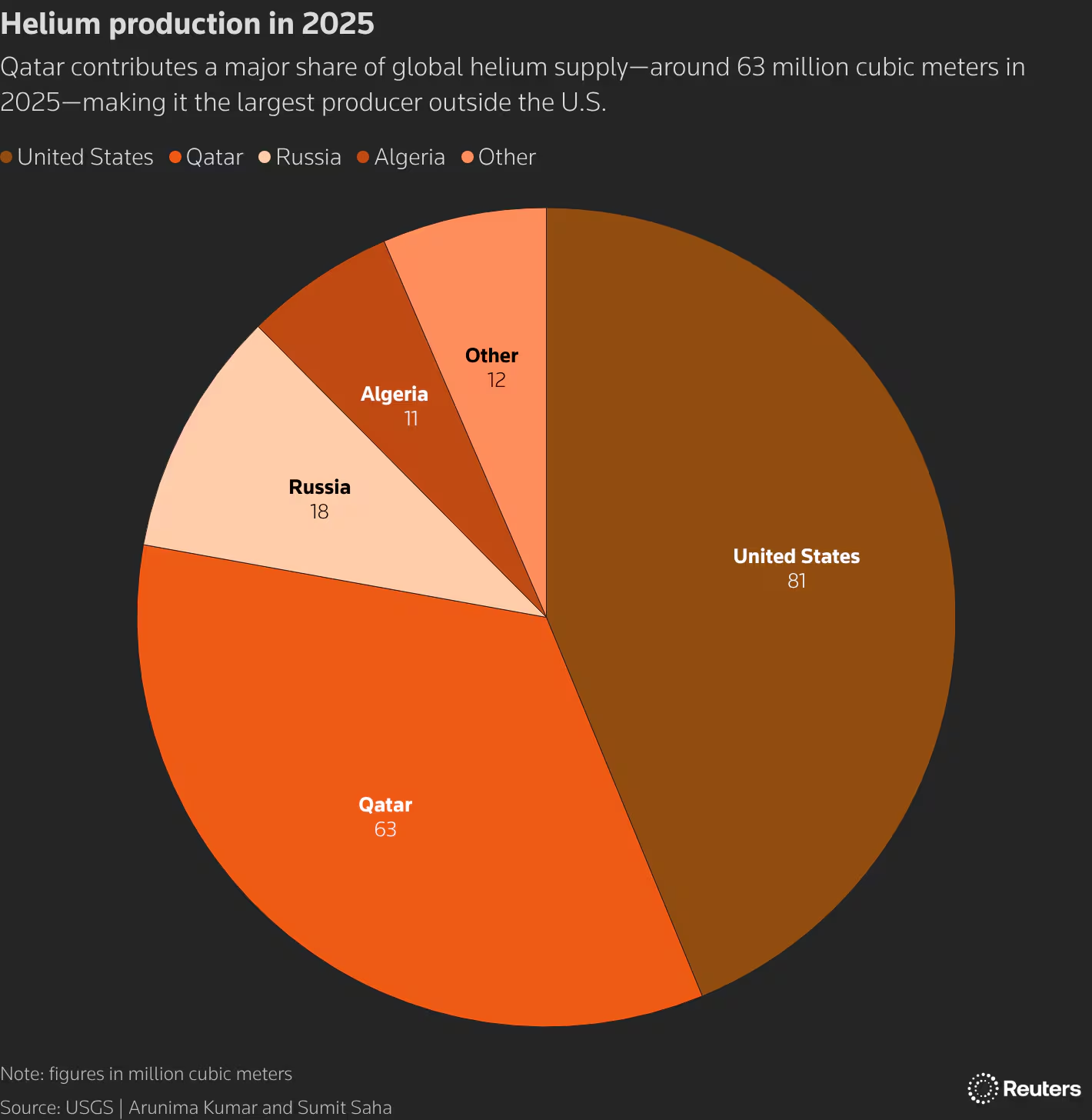
Helium is relatively rare on Earth and mostly produced as a byproduct of liquefied natural gas (LNG) processing. A significant share of global helium comes from facilities tied to natural gas production in the Middle East, especially Qatar.
Attacks and instability have knocked offline major LNG and helium production facilities in Qatar, which previously supplied about one-third of global helium.
The Strait of Hormuz, a key shipping route for gas and helium exports, has been blocked or threatened, further slowing transport of the gas around the world.
Ever heard of Bromine?#
It's not just helium. Another critical chip material, bromine, also comes from the conflict region.
Bromine itself isn't part of the final memory chips, but bromine-based chemicals (like hydrogen bromide) are used in etching and cleaning processes during semiconductor fabrication. These chemicals help shape and prepare the tiny circuit patterns on wafers.
- Geopolitical risk in the Middle East: Around two-thirds of the world's bromine supply comes from Israel and Jordan, countries near the Iran conflict zone. A prolonged conflict could disrupt shipping routes, production, or logistics for these materials.
- Shipping and transport disruptions: Key maritime chokepoints like The Strait of Hormuz are under pressure. It leads to slow or reroute cargo including chemicals and industrial gases, raising freight costs and delivery times.
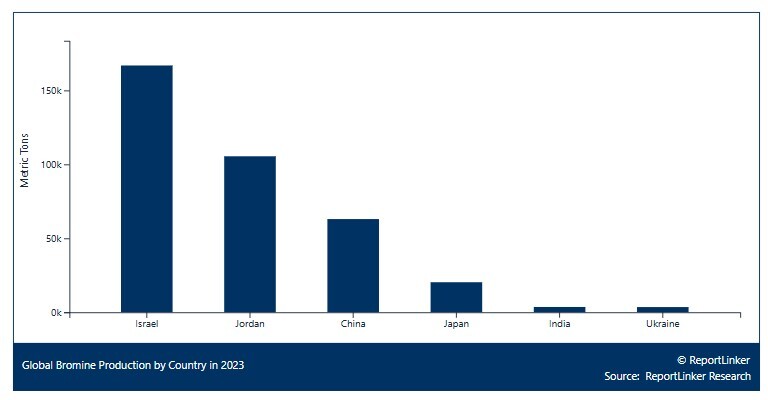
Global Production: Israel is the world's leading producer, accounting for roughly 47% of global production of Bromine. Israel and Jordan combined are responsible for approximately 2/3 of global bromine output.
What this means for companies#
It's important to understand how hardware shortages impact product development and manufacturing, especially since higher component prices can lead to:
- BOM instability – Components may become unavailable or discontinued, making your bill of materials unpredictable.
- Harder pricing and quoting – With fluctuating availability, suppliers may raise prices or change terms, complicating budgeting and quotes.
- Redesign pressure – Engineers often need to find substitute components or rework designs, adding time and risk.
- Longer lead times – Delays in sourcing parts slow down production and can push back launch schedules.
Projects face uncertainty and delays, so flexibility is essential. The right software can help tackle these challenges by enabling faster time to market through Coding XML, reducing BOM costs with no royalty fees, and supporting more adaptable design strategies by decoupling the UI.
What companies need to know about RAM shortages#
LVGL can't control RAM prices, but it helps embedded developers do more with less memory and allows you to stay hardware independent:
- Memory-Efficient GUIs: Runs smoothly on microcontrollers and SoMs, keeping interfaces responsive even with limited RAM.
- Optimized Resource Usage: Modular design avoids unnecessary overhead, reducing memory footprint and cost.
- Support for Edge AI: Efficient UI layers free up RAM for AI workloads without sacrificing performance.
- Faster, Portable Development – Prebuilt widgets and a consistent API make it easy to switch platforms without rewriting code.
LVGL enables intuitive, high-performance UIs while using RAM smarter, helping products stay resilient in volatile memory markets.
Shift Your GUI Hardware with LVGL#
With silicon supply bottlenecks expected to last years, switching hardware platforms may be necessary. LVGL's hardware-independent architecture makes this transition smooth:
- Decoupled GUI Design: Minimizes front-end changes, so your interface adapts easily to new hardware.
- Cross-Platform: LVGL runs efficiently on MCUs, SoMs, and single-board computers, from high-end to lower-end devices.
LVGL's unique architecture helps#
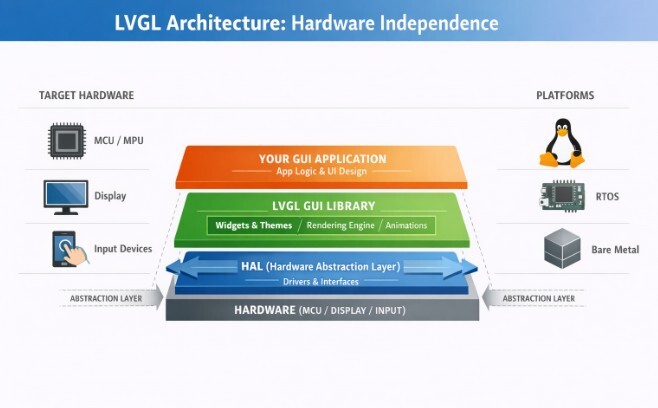
LVGL's layered and modular architecture separates the GUI logic from the hardware, making it portable, flexible, and efficient. Changing hardware, screen sizes, or input devices, even due to shortages, is frictionless and lets your project continue without major redesigns.
What Comes Next (2026–Beyond)#
We at LVGL can make nice and intuitive UIs for embedded devices but we can't predict the future. But the following scenarios are considered likely.
- No quick relief: Analysts expect memory prices to stay high through most of 2026, as AI demand outpaces production. Pressures could continue into late 2027 or 2028 before new capacity eases shortages.
- Long-term supply expansion: New memory fabs are under construction, but most won't significantly boost supply until late 2026–2027, keeping the market tight.
- Market shift: The industry is becoming structural rather than cyclical, AI workloads take priority, limiting consumer RAM availability.
RAM prices remain high and volatile, driven by AI demand and geopolitical tensions. New production capacity won't ease supply constraints until late 2026 or 2027, meaning tight supply and high prices are likely for the next 18–24 months.
How LVGL helps tackle these challenges#
Projects face uncertainty and delays, so flexibility is essential. LVGL helps tackle these challenges by enabling faster time to market with Coding XML, reducing BOM costs with no royalty fees, and supporting more adaptable design strategies by decoupling the UI.
Stay flexible through the shortage
Build UIs that don't lock you to a single chip. LVGL's hardware-independent architecture lets you change platforms without rewriting your interface.
References
- 1.Reutersreuters.comSouth Korean chip industry worried Iran crisis may affect Middle East data-center supply chains
- 2.Business Insiderbusinessinsider.comHelium prices could surge as Iran war disrupts industries worldwide
- 3.IDCidc.comGlobal technology market intelligence and analysis
- 4.RAM Exchangeramexchange.netWhy are RAM prices increasing in 2026?
- 5.Reutersreuters.comHelium prices soar as Qatar LNG halt exposes fragile supply chain